The Decline of Cash: What It Means for Malaysian Local Shops
Key Takeaways
- Malaysia is rapidly moving towards cashless payments, with 80% of retail transactions now happening electronically.
- Cash-only businesses risk losing customers who prefer QR, e-wallet, or card payments.
- Manual bookkeeping and traditional cash registers slow operations and increase errors.
- Modern POS systems streamline payments, inventory, and reporting in one platform.
- Using a POS system boosts efficiency, reduces errors, and supports smarter business decisions.
- Local shops can preserve their personal touch while upgrading their backend operations.
- Early adoption of POS systems helps businesses grow and deliver reliable customer experiences.
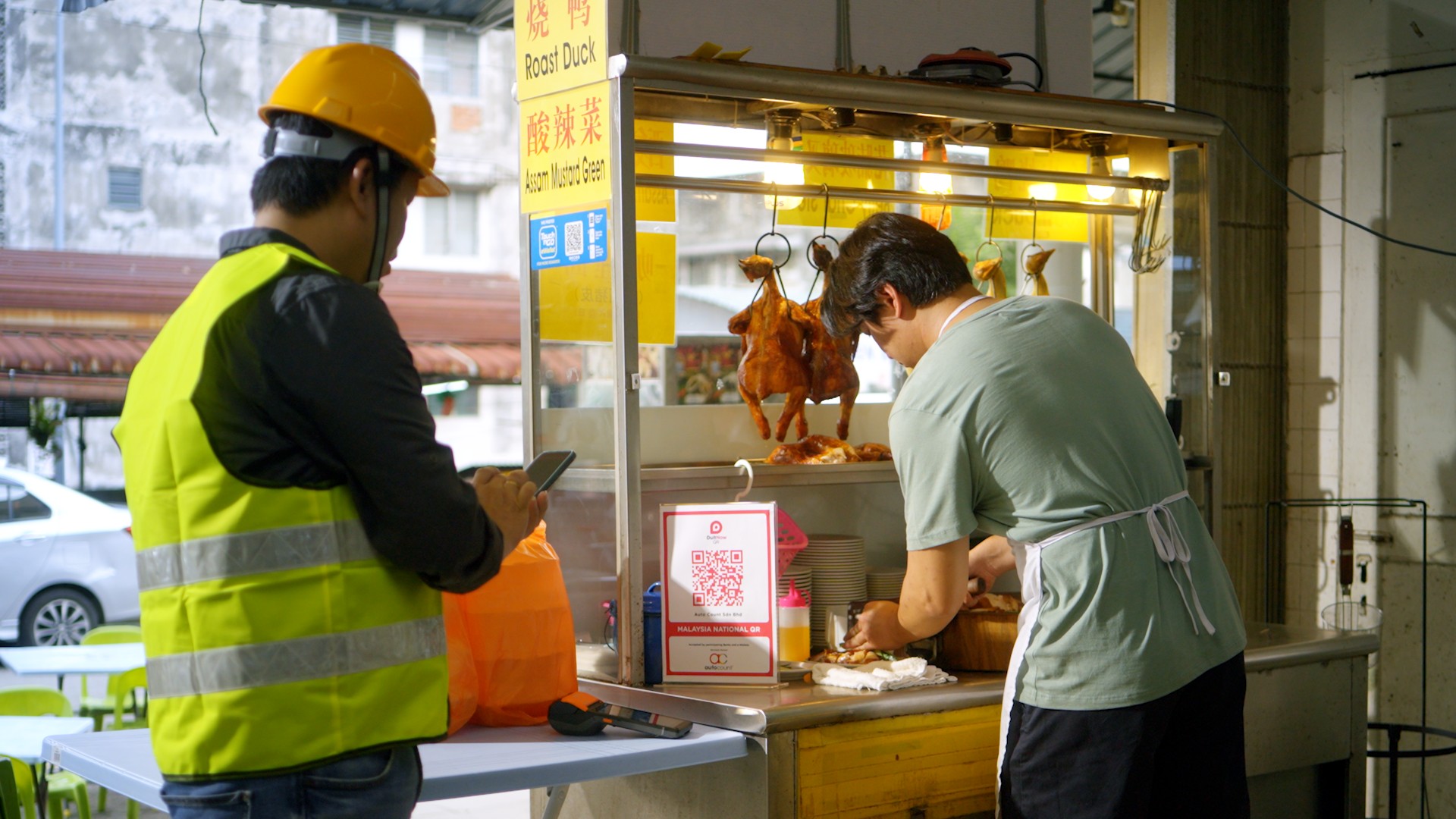
Not too long ago, paying with cash was the norm. Whether you were ordering nasi lemak from your favourite hawker, buying fresh produce from the pasar pagi, or topping up mobile credit at your neighbourhood mini mart, cash was king.
Today, that picture has changed. Walk into the same shops, and you’ll likely see QR codes, card terminals, and e-wallet logos displayed proudly at the counter.
Malaysia is rapidly going cashless. For consumers, the shift feels seamless. For local businesses, however, it’s a transformation that requires adaptation, investment, and better tools to manage sales and payments efficiently.
Cashless Convenience Takes Over
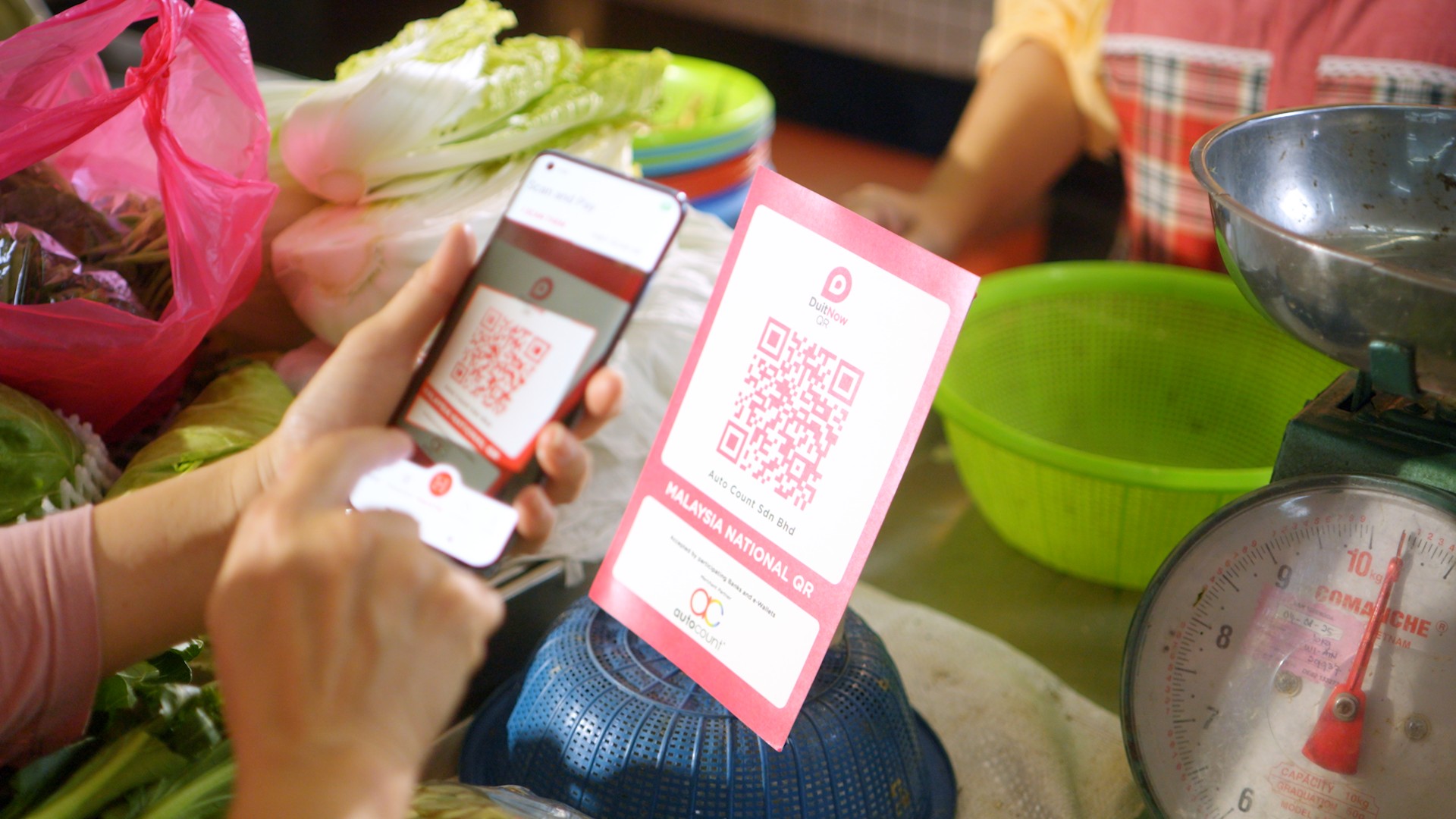
Cards, e-wallets, QR Pay, and online transfers have become second nature. From GrabPay and Touch ‘n Go to DuitNow, Malaysians now enjoy the convenience of paying with just a tap or scan.
According to Bank Negara, over 80% of retail payment transactions are conducted electronically. The volume of e-payment transactions continues to rise every year, driven by convenience, speed and hygiene.
For small businesses, this shift means customers expect flexible payment options. However, handling multiple digital payments while still accepting cash can become complicated quickly. Without proper tracking, reconciling daily sales becomes both time-consuming and prone to error.
The Challenges for Local Shops
Many small retailers and food and beverage (F&B) operators still rely on traditional cash registers or manual bookkeeping methods. While this may feel simple and familiar, changing customer preferences mean that “cash only” often translates to “missed opportunities.”
Imagine a mamak stall during peak lunch hours. If a group of office workers wants to pay via QR code but the stall only accepts cash, that sales may be lost. Similarly, a pharmacy or boutique that can’t process card payments risks losing repeat customers who value digital convenience.
Additionally, managing inventory, promotions, and daily reports manually consumes a valuable amount of time. When records are handwritten or spread across multiple systems, errors are bound to happen, whether it’s undercounting stock or overlooking best-selling items.
The Smart Solution: Modern POS Systems
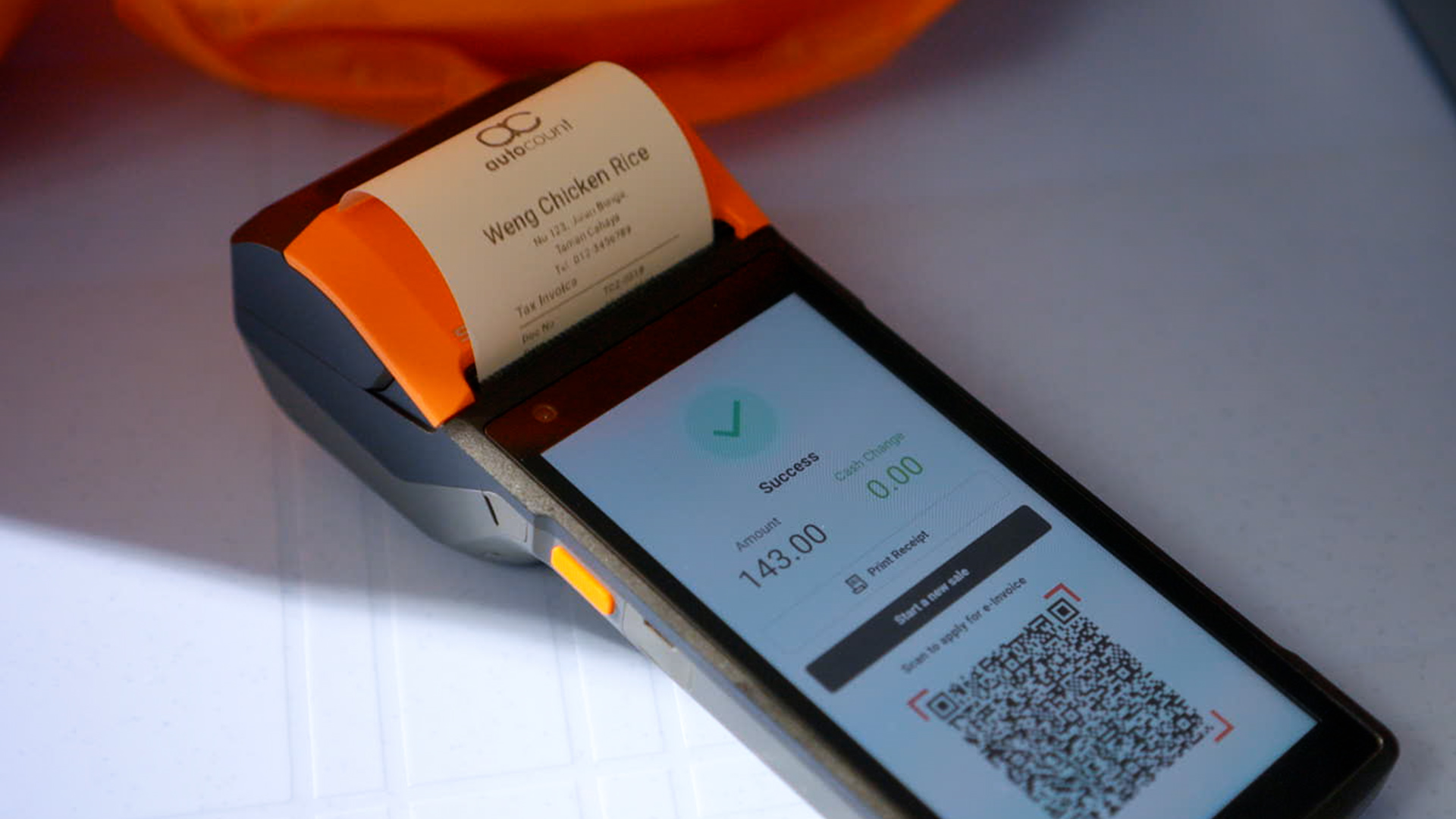
That’s why more Malaysian retailers are embracing modern POS systems to streamline operations. A POS system (point-of-sale system) does far more than process transactions; it integrates payment, inventory, reporting, and customer data into one simple, efficient tool.
For example, a cloud-based POS allows shop owners to monitor sales from any device, whether they’re at the store or managing multiple outlets remotely. Everything syncs in real-time from QR payments and card transactions to cash collections.
- PalmPOS is suitable for smaller or mobile businesses such as food trucks, kiosks, or café counters, offering portability and fast checkouts without compromising accuracy.
- OneSales POS, AutoCount’s cloud-based POS solution, allows business owners to access sales data anytime, anywhere—ideal for those who want flexibility and remote visibility.
- AutoCount POS, the on-premise option, is suitable for businesses that prefer full control over their systems with integration to AutoCount Accounting and full inventory control.
Regardless of setup, all solutions are built to handle cashless transactions seamlessly.
Why It Matters for Malaysian Businesses
Cashless payments generate valuable data, but only if it’s captured properly. A modern POS system turns transactions into insights.
With the right POS, businesses can:
- Accept multiple payment types effortlessly
- Reduce manual errors during checkout
- Track inventory levels in real time
- Identify best-selling products and profit margins
- Generate instant sales reports
For example, a mini mart using a POS system can easily identify top-selling products during festive seasons, while a boutique can track which promotions drive repeat purchases.
Blending Tradition with Technology
The decline of cash doesn’t mean the end of traditional charm. Malaysians still value the warmth and personal touch of local shops: the friendly mamak, the trusted kedai runcit, or the neighbourhood boutique run by a familiar face.
What’s changing is how these businesses operate behind the scenes.
By adopting modern POS systems, local retailers can serve customers efficiently, manage operations, and make data-driven decisions without compromising the personal connection.
So, the next time you scan a QR code or tap to pay at your favourite local shop, remember: behind that quick, seamless experience is a reliable POS system keeping everything running smoothly.
Don't fall behind! Run your business smarter and find the right POS Solution for you.